What 13 Mesh, 18 Mesh, and More Really Mean?
Whenever you take up a new hobby, there’s always at least a little bit of a learning curve. From the materials you’ll need to the techniques you’ll want to learn and even the language and terminology you’ll need to know, you can’t expect to just have it all figured out right off the bat.
When it comes to needlepointing, one of the things you’ll want to learn about early on is something called “mesh size.” Needlepoint canvases have a variety of mesh sizes, such as 13 mesh or 18 mesh, and if you’re not familiar with the language, it can be really confusing.
Understanding mesh size makes it easier to pick the right canvas, thread option, and even the tapestry needle you’re going to want to use for the project.
Here, we’re breaking it all down so you’ll feel empowered to pick the perfect canvas, no matter the mesh size.

What Does “Mesh” Mean?
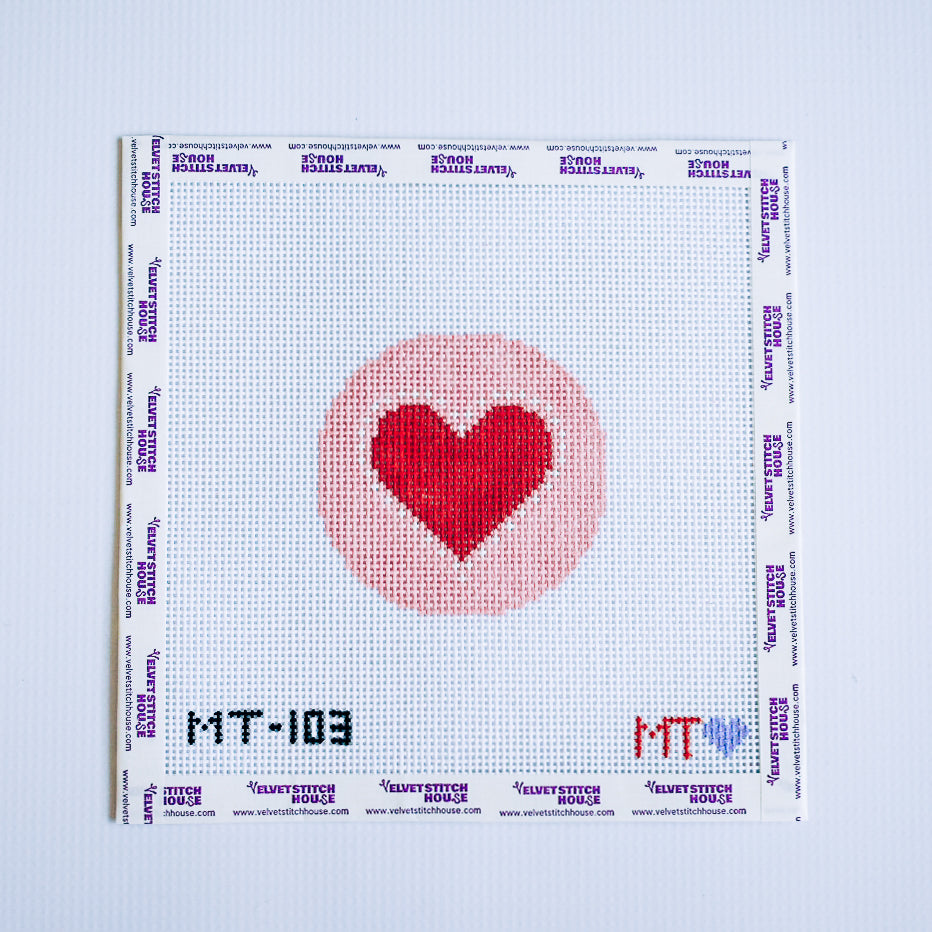
Essentially, “mesh” refers to the number of holes per inch on a needlepoint canvas. So, for example, a 13 mesh canvas has 13 holes per inch, while an 18 mesh canvas has 18 holes per inch.
That’s all it is!
But now that you understand what it means, you need to know a bit more about how it can affect your stitching experience.
Let’s get into it.

Why Mesh Size Matters More Than You Think
Canvas mesh sizes influence the whole stitching process, so it’s actually more important than you might think. Here’s why:
A canvas size like 13 mesh will give you a bit more space to work with. The holes should be easier to see and, if you use the right size needle, it should move relatively freely. Not only that, but if you make a mistake, it’s a bit easier to fix it because you have more room.
When you’re working with higher mesh counts, like 18 mesh, you’ll need to be more precise. Stitches will be tighter, you'll be able to do fine work, and your movements will be smaller than with a larger mesh size.
One isn’t better than the other, they’re just different, and the right one can depend on your skill level.
The mesh size of your canvas can directly affect the look of your finished needlepoint piece because a lower mesh size is going to give you a slightly more textured, classic look, while a higher mesh size is going to allow you to use more advanced techniques, do more detailed work (which is great for something like facial features), and results in a finer, more polished finish.
Since 18 mesh has more holes per inch, you can create more intricate patterns, get a smooth finish on curves and lines, and more detailed and specific color changes on those canvases. Generally speaking, you’re going to see more detailed or intricate designs on 18 mesh vs 13-mesh canvas.
Mesh size obviously affects the canvas, but it affects more than that as well. Generally speaking, thicker threads are going to be better when paired with a larger mesh, while thinner threads are better when paired with smaller mesh. Plus, different mesh sizes require different needle sizes so that you can stitch smoothly.
If you aren’t using the right tools, things can get frustrating quickly.
If you’re working with a higher mesh size, your project will take more time (but also allow for more detail) because there are more holes per inch, which means you’ll need a higher number of stitches per inch. A 13 mesh canvas will generally move more quickly than an 18 mesh project because there are fewer holes per inch.
Ultimately, the mesh size you work with has more to do with personal preference than a specific rule. The one you choose will partially depend on what feels most comfortable, the pace you want to stitch at, and what kind of design and finish you’re looking for.
What about 10 Mesh?
As you can probably guess, 10 mesh is a step down from 13 mesh, with larger holes and fewer per inch. It’s a great choice for kids (you’ll often see 10 mesh canvases in needlepoint kits designed for kiddos) because it’s easier for little hands and a lower-pressure way to learn to stitch. It’s super approachable for any beginner stitcher.
Which Mesh Size Should You Choose?
Ready to get started? Here’s your general guide:
- Working with kids? Use 10 mesh.
- New to needlepointing? 13 mesh is an excellent choice.
- Looking for a design with fine detail? Opt for 18 mesh, which has smaller holes that'll allow an experienced stitcher to do finer work.
How to Choose the Right Needle (It Matters More Than You Think)
The canvas mesh count is also going to determine the needle you should use to stitch it. Make sure you’re using a tapestry needle (it has a larger tip that’s duller than a sewing needle). For a 13 mesh canvas, you’re going to need a size 20 needle and for an 18 mesh canvas, you’ll need a size 22 tapestry needle. Using the right needle size can protect your canvas and keep things going smoothly.
FREQUENTLY ASKED QUESTIONS
What’s the best mesh size for your first needlepoint project?
What’s the best mesh size for your first needlepoint project?
If you’re just starting out, it’s best to start with a 13 mesh canvas. The larger holes make it easier to see them, which helps you get a better handle on how to complete various stitches and help you build confidence as you learn more.
Is 18 mesh harder to work with?
Is 18 mesh harder to work with?
It’s not specifically harder to work with, but you may have to work with more precision than with a 13 mesh canvas. When you’re comfortable with a 13 mesh canvas and you feel ready for something with extra detail, you can move on to 18 mesh.
Can kids learn on 13 mesh, or should they use something else?
Can kids learn on 13 mesh, or should they use something else?
While 13 mesh works for older beginners, 10 mesh is often better for kids. The larger holes are easier for small hands and make the experience more fun and frustration-free. You'll be able to create simple designs that look great, which is all you need for a first project.
Does mesh size affect how long a project takes?
Does mesh size affect how long a project takes?
It sure can. When you use a finer mesh (like 18 mesh), stitching can take a little bit longer because you’ll need to create more stitches per inch. A lower mesh size (like 13) can be completed more quickly.
Do I need a different needle for each mesh size?
Do I need a different needle for each mesh size?
Yes. When working with a 13 mesh canvas, you should use a size 20 tapestry needle. When working with an 18-mesh canvas, use a size 22 tapestry needle. Using the right size of needle helps your stitches look your best and keep your canvas from stretching out of shape. You'll also want to use different threads. Thicker threads are better for 13 mesh, while finer threads are better for 18 mesh.source of recommendations, resources, and more.
What kind of needle should I use for needlepoint?
What kind of needle should I use for needlepoint?
Always use a tapestry needle. It has a blunt tip, which means it slides between the canvas threads instead of piercing them, protecting both your canvas and your thread.
Do I need to buy needles separately?
Do I need to buy needles separately?
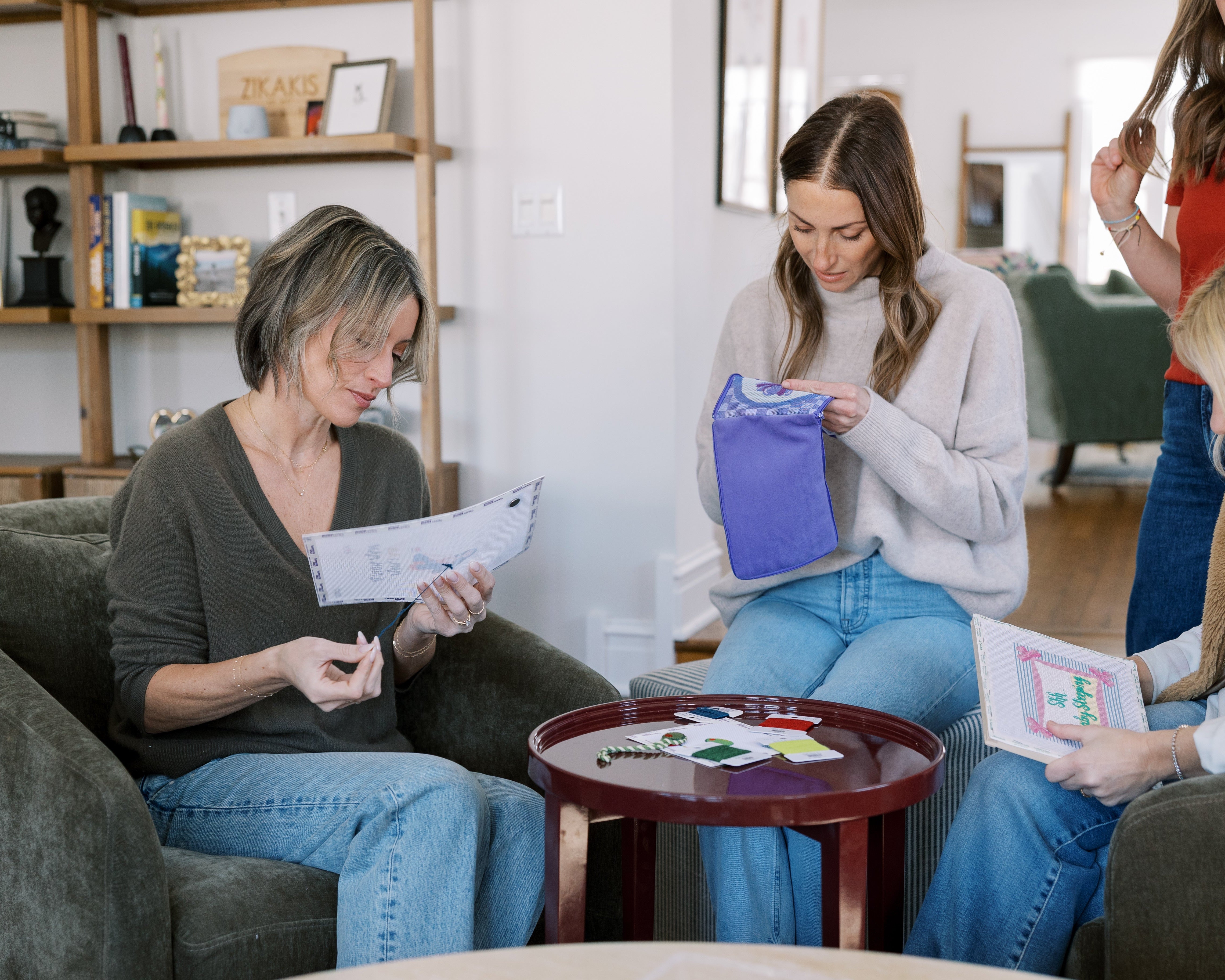
Most needlepoint canvases (including the ones sold at Velvet Stitch House) come with the right needle, so you don’t necessarily need to buy a bunch of needles right away. That being said, they’re easy to misplace, so you might want to keep some extras on hand. We sell packs of needles in-store.
Does mesh size change how the finished piece looks?
Does mesh size change how the finished piece looks?
It sure does. A 13 mesh canvas will generally have a slightly more textured look, while an 18 mesh canvas will look finer, polished, and more detailed.
happy stitching!
Whether you’re brand-new to needlepointing or you’re ready to level up your skills, knowing the difference between different needlepoint canvas sizes can help you pick the right needlepoint canvas for what you’re looking for, which makes the process way more fun.